
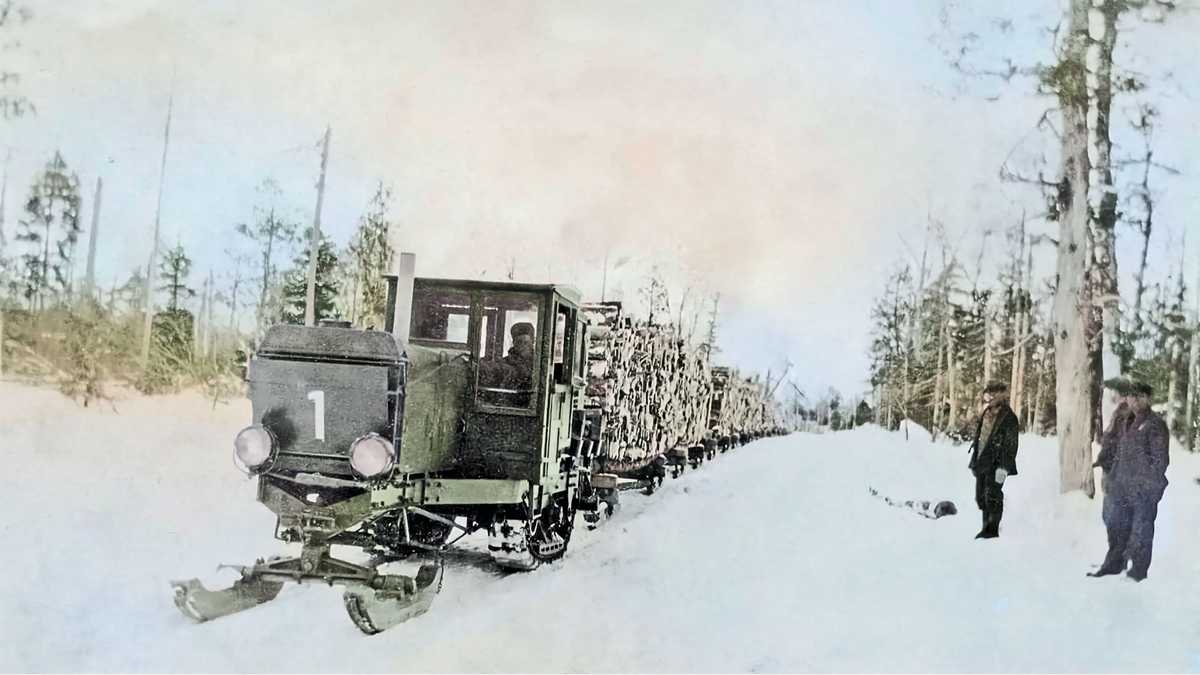
When people hear the name “Lombard,” they often picture the iconic 19-ton steam log haulers that thundered through the Maine woods in the early 1900s. But there’s another side to the story—Lombard’s gasoline-powered tractors, the company’s mainstay product for nearly three decades, are largely forgotten.
A New Idea on Old Tracks
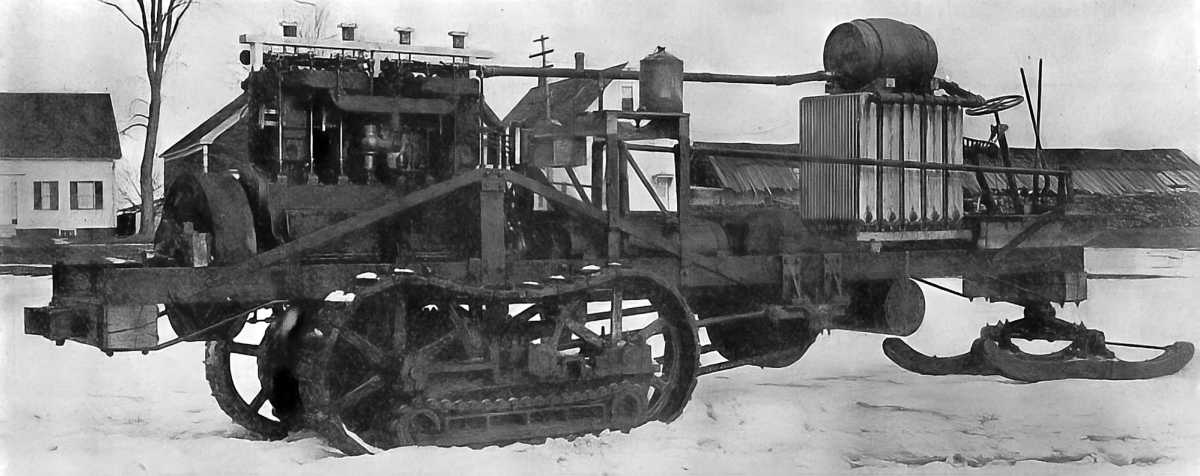
By the winter of 1908-1909, Alvin O. Lombard began experimenting with gasoline engines. His first prototype used the same track system as the steam models, but was powered by a massive four-cylinder Brennan engine from Syracuse, NY. With chain drive, wooden expansion tank, and skis that could be swapped for wheels, this tractor hinted at uses beyond logging—possibly even in agriculture.
On the Road with the Original Motorhome
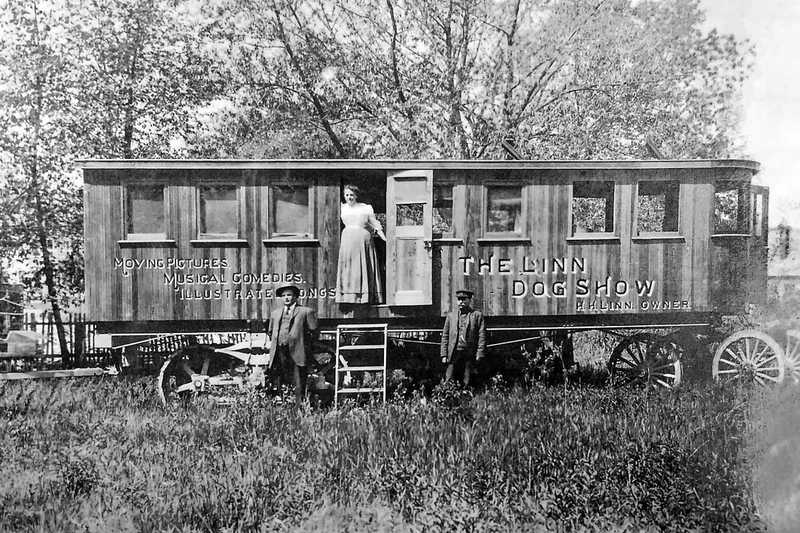
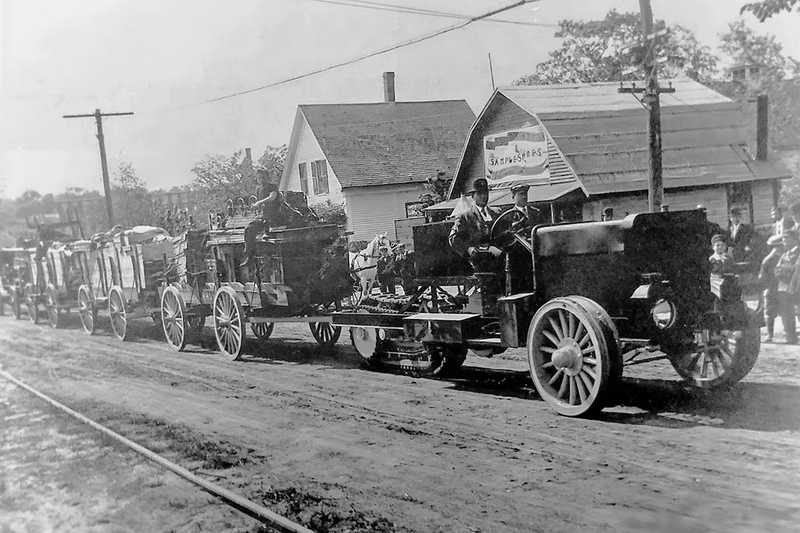
In 1909, a similar tractor was built for H.H. Linn, a Lombard employee and future competitor. Linn's machine doubled as a traveling dog show vehicle—complete with a Pullman-style wooden body and its own generator. It became a common sight across New England, pulling wagons from town to town.
Small but Powerful: The Single-Track Design
Lombard patented a single-track tractor in 1910, aimed at agricultural work. Only four were made, each powered by Brennan engines. One served on a potato farm in Aroostook County, and Linn continued to use another for his traveling shows.
The Rise of the Lag Bed Tractor
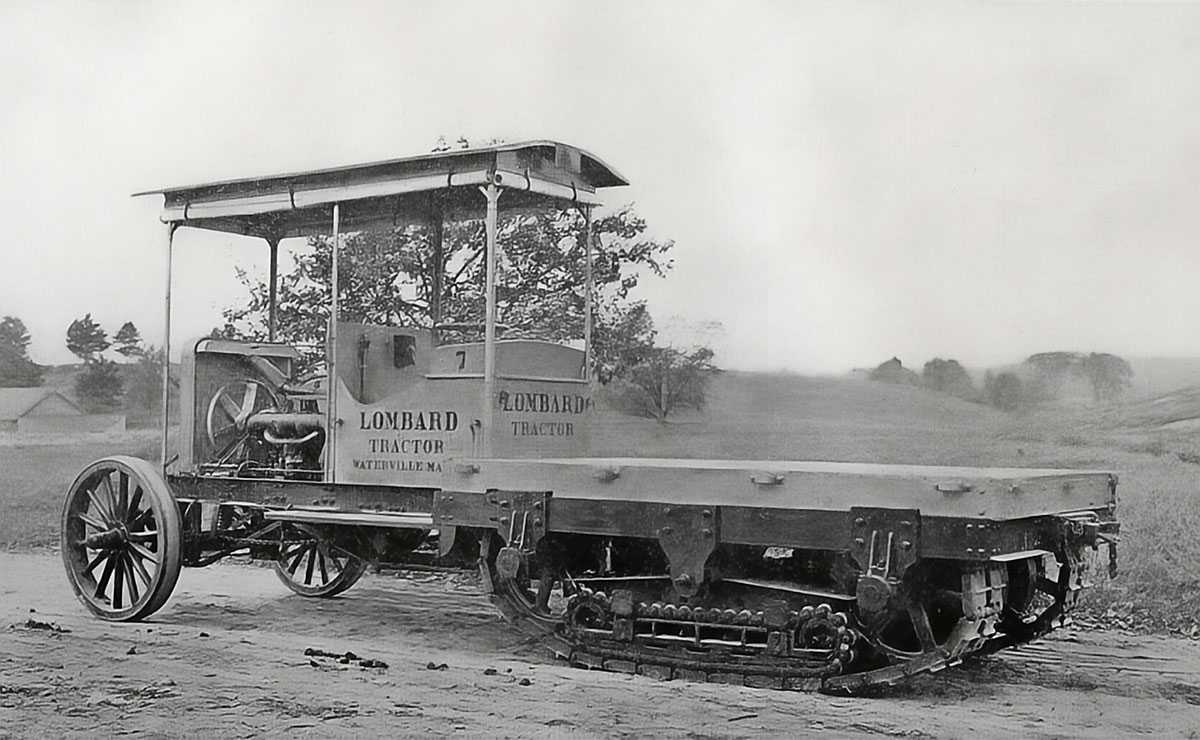
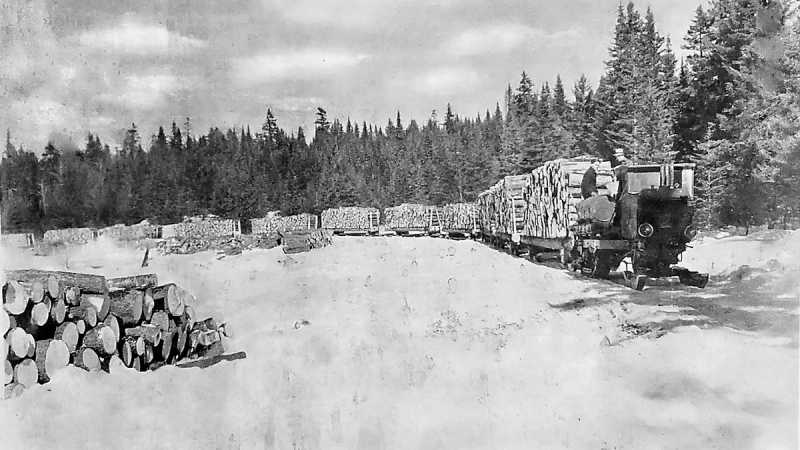
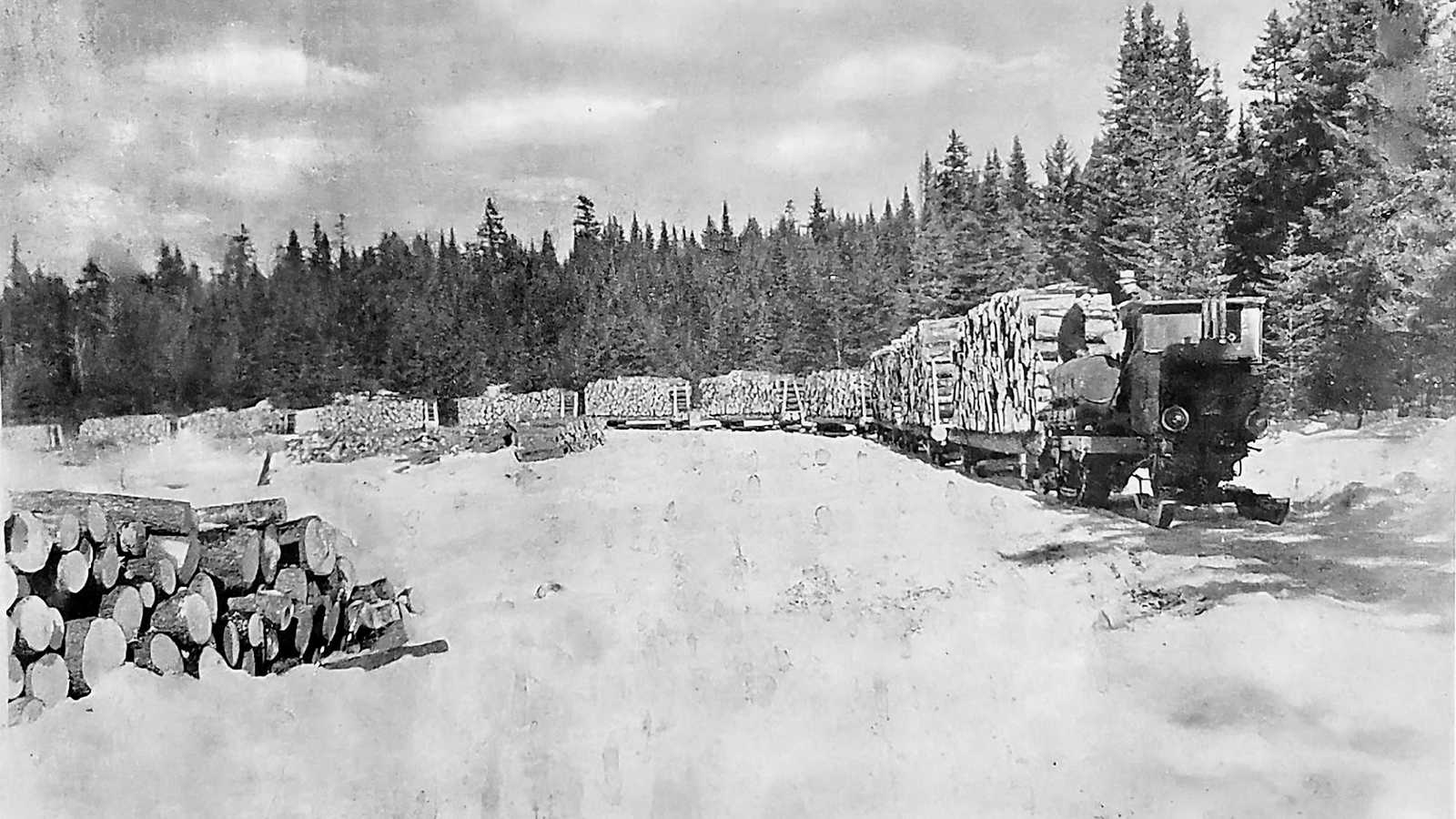
By 1912, Lombard had developed the “Lag Bed Tractor,” a 7-ton machine capable of carrying 5 tons and powered by a 735 cubic inch four-cylinder engine of Lombard's own design. In 1916, a larger 100 hp, 10-ton “Tractor-Truck” followed, built specifically for hauling logs and setting the standard for future models.
The Mighty Model F Tractor-Truck
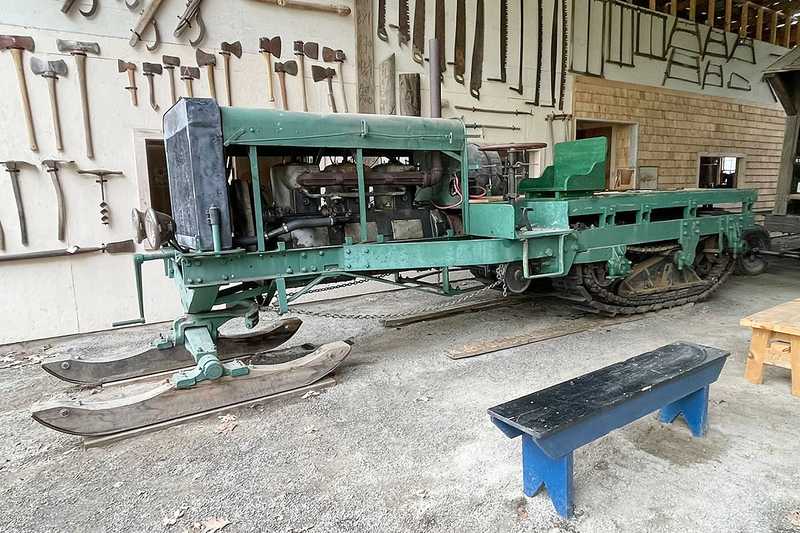
Introduced in 1919, the Model F Tractor-Truck used a 964 cubic inch, 148 hp Sterling engine—adapted from a marine engine. This massive machine weighed nearly 19,000 pounds and could haul up to 250 tons of logs on sleds. Only one example is known to survive—and it's right here in our museum.
Shifting Gears: Lombard in the Construction Era (1926–1929)
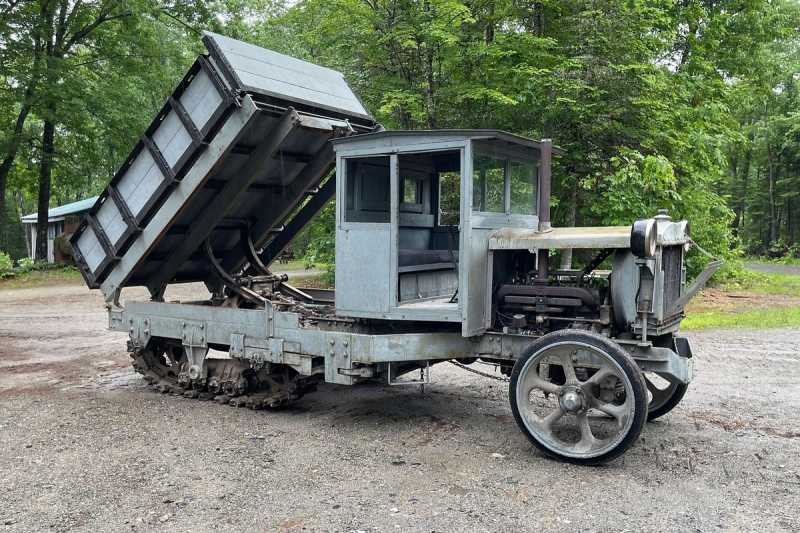
No longer under family ownership and reorganized as the Lombard Tractor & Truck Corporation, the company shifted its focus between 1926 and 1929 toward the growing construction and municipal markets. This period saw the introduction of the lighter, more compact Model T, weighing 15,900 pounds and powered by an 87 hp Hercules engine.
To complement it, Lombard offered the much larger Model CS-88, built to withstand the rugged demands of construction work, both machines used track wheels—a significant innovation for durability and performance. Based on Lombard's 1905 patent.
The Lombard Model T on display here is one of only two known surviving examples, preserving a rare chapter in the company's evolving legacy.
The Final Years: Innovation and Decline
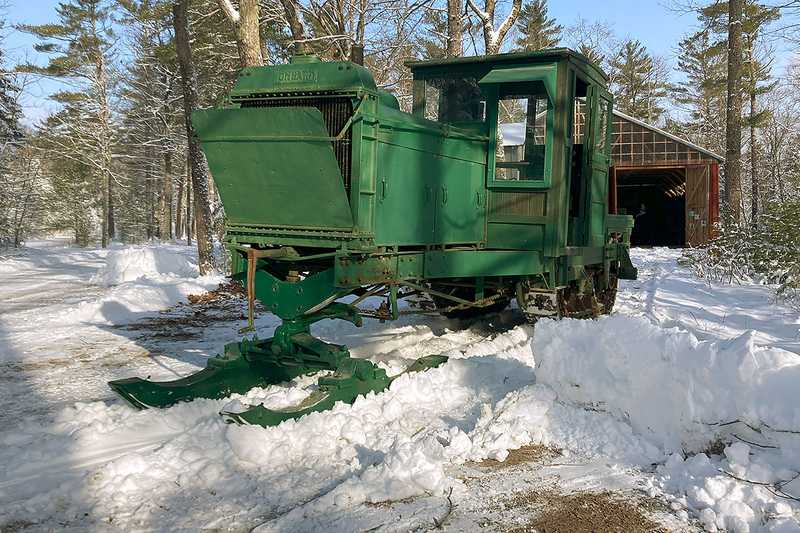
Following the discontinuation of the Model F in 1922, the Model NW was introduced, powered exclusively by a six-cylinder T-head engine from the Wisconsin Motor Manufacturing Company. In 1930, the truck was upgraded with the Wisconsin Model D4 engine, featuring overhead valves. The example, on display here was built in 1934, represents the later evolution of these powerful Tractor-Trucks.
In 1936, Lombard, back under family ownership as the Lombard Traction Engine Company, introduced its first diesel tractor powered by a Fairbanks Morse engine. The Model LD was widely promoted and eventually purchased by Great Northern Paper—and marked the last tractor Lombard ever built.
Legacy and Survival
The total number of gasoline-powered Lombard tractors remains unclear—estimates range from 260 to nearly 1,000. As highways, bulldozers, and trucks modernized transport, Lombard tractors became obsolete. Still, the company survived by shifting focus to serve the pulp and paper industry before fading into oblivion post war.
Bring Generations Together
From hay rides to historic re-enactments, our museum creates experiences that kids and adults enjoy side by side. A family membership turns a single visit into a season full of memories.
Start a Family Membership