
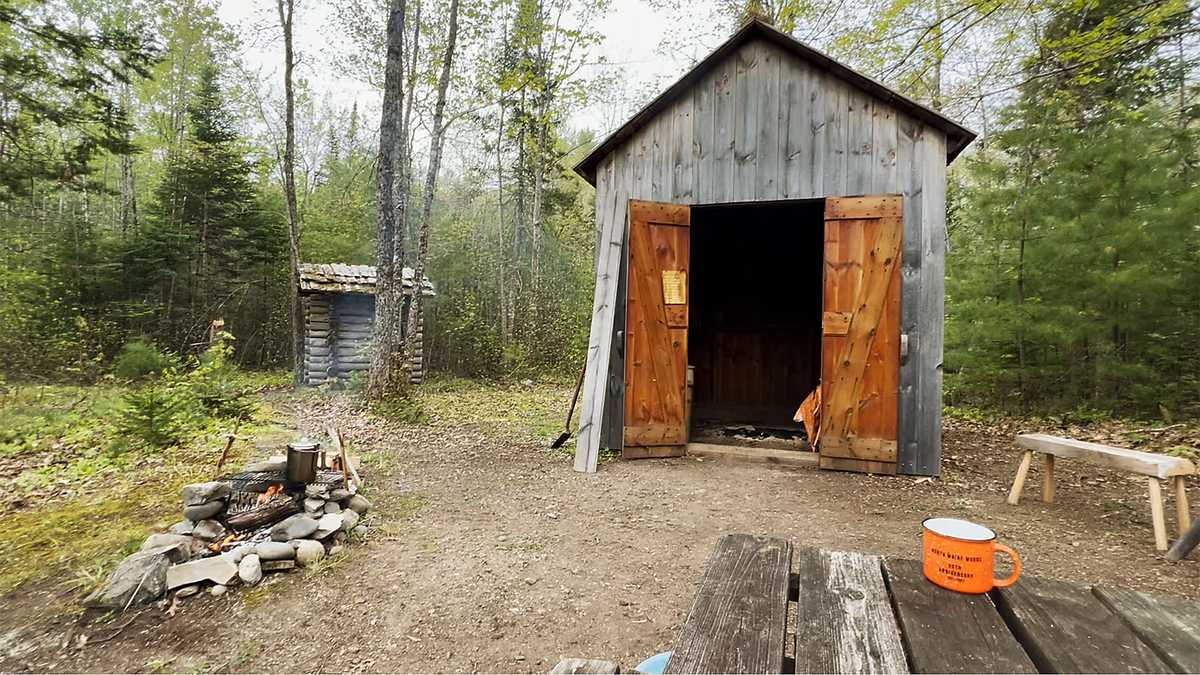
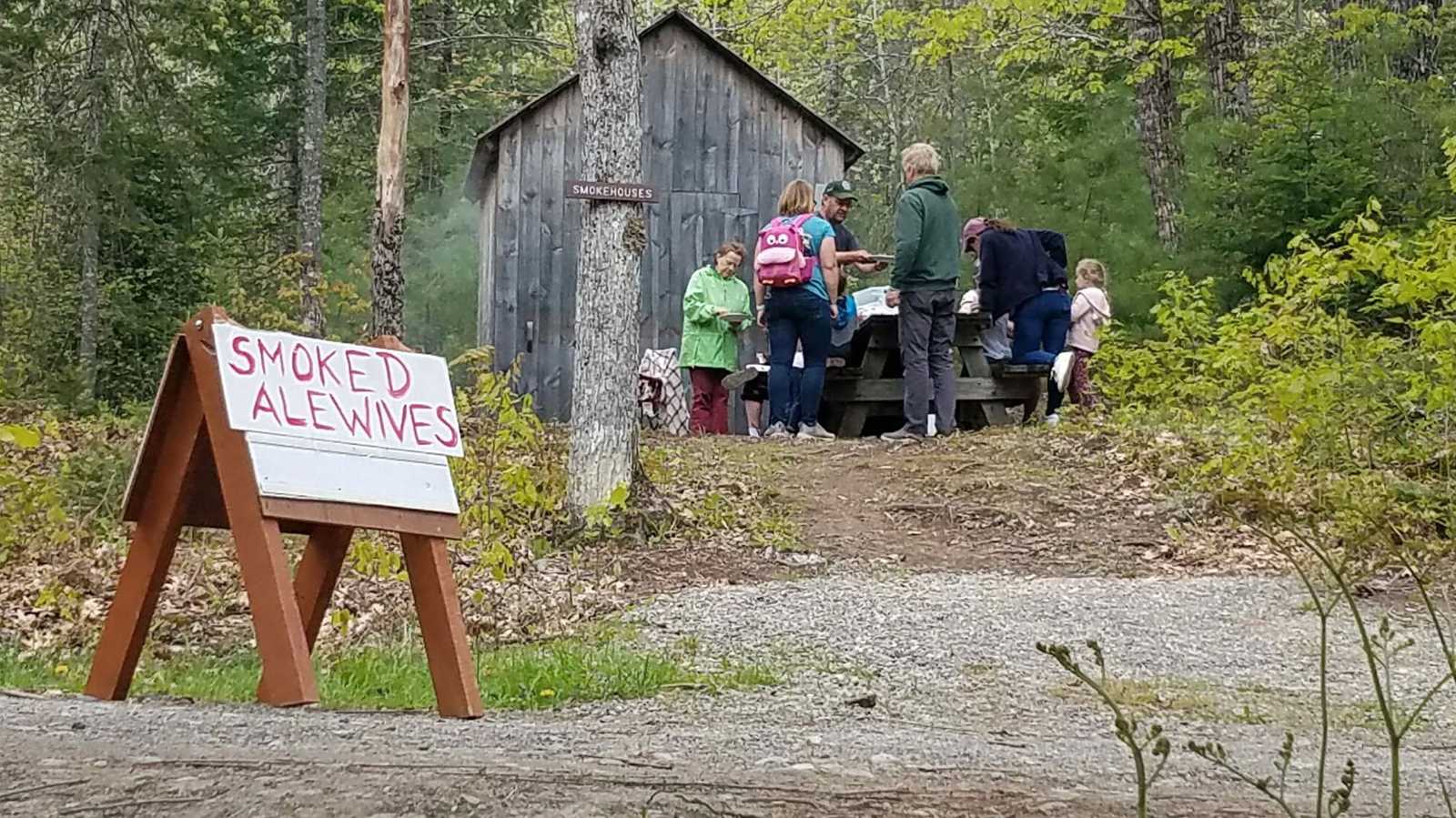
Before refrigeration, Mainers relied on time-honored methods like smoking to preserve fish harvests. The smokehouses at the museum are replicas of an 1840s-style cold-smokehouse, designed specifically for processing alewives. These simple yet effective structures played a crucial role in feeding communities and supporting local economies.
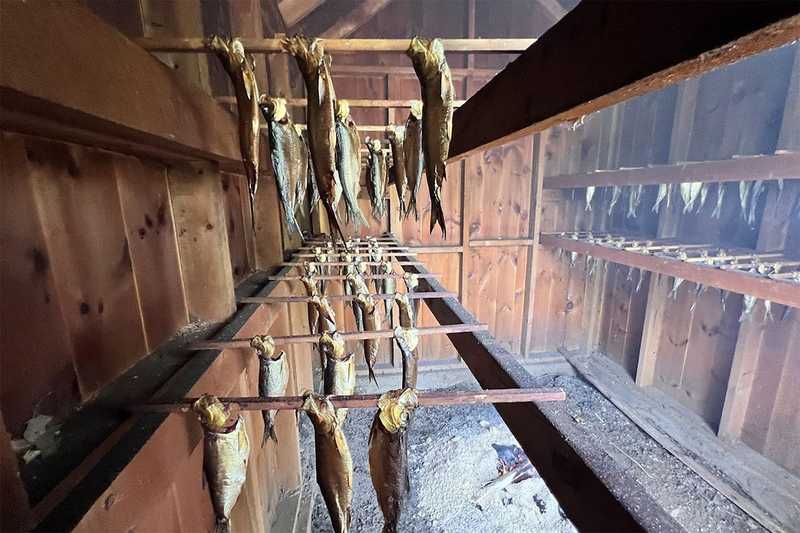
Historic Cold-Smoking Techniques
Cold-smoking is a slow-curing process that uses low temperatures and steady smoke to dehydrate and flavor fish over several days. It was a vital food preservation method in coastal and river communities throughout the 18th and 19th centuries. The smokehouse design allowed smoke from a smoldering fire to rise and circulate through racks of hanging fish, without actually cooking them.
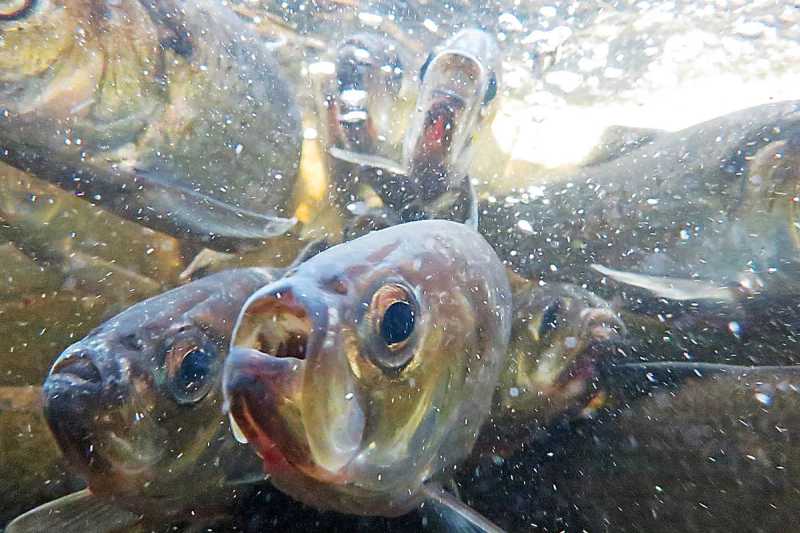
The Alewife Connection
Alewives—small river herring native to Maine’s streams—were central to this process. Every spring, these fish migrate upstream from the ocean to spawn, and were traditionally harvested in great numbers. Smoking the alewives helped preserve them for use throughout the year and created a valuable commodity for trade and local consumption.
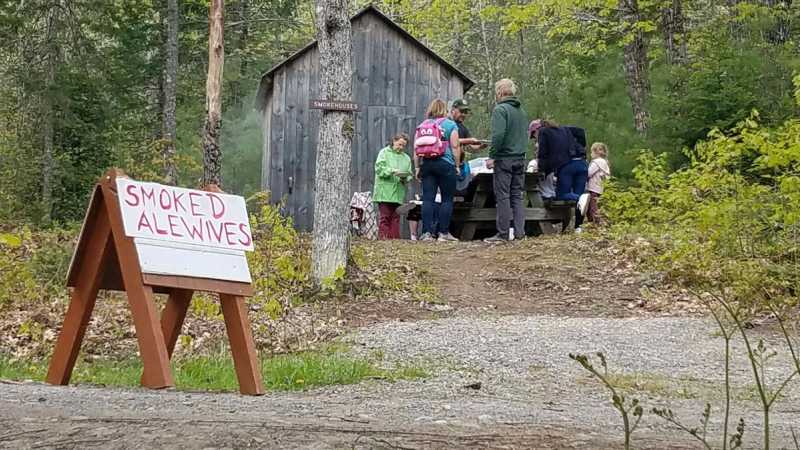
Step Into the Past
Today, the museum’s smokehouses give visitors a window into Maine’s fishing and preservation heritage. As the first historic replica of a commercial alewife smokehouse in the state, this exhibit pays tribute to the ingenuity and self-sufficiency of early Mainers. Stop by and imagine the scent of wood smoke drifting through the pines, marking the start of another season’s harvest.
Get Closer to the Story
Museum members enjoy special access to events and a deeper connection to our exhibits and traditions. Step into history—every season of the year.
Explore Member Benefits